
Commercial & Contract Disputes
Contract, debt and shareholder disputes in all courts — early advice focused on the realistic commercial outcome.

Civil & Commercial Law
Contract and commercial disputes, construction and leaky-home claims, insurance and regulatory defence, employment matters, rural disputes and commercial mediation — advised plainly and run efficiently, in court or out of it.
Contract and commercial disputes in New Zealand are governed largely by the Contract and Commercial Law Act 2017, which consolidated the older contract statutes into one place — including the rules on cancellation, damages, and relief for misrepresentation. The forum depends on the money involved: the Disputes Tribunal hears claims up to $60,000, the District Court up to $350,000, and the High Court above that.
The courts interpret contracts objectively — what the words would mean to a reasonable person with the background knowledge available to the parties — and the remedies run from damages through to cancellation and specific performance. Most disputes turn less on doctrine than on the documents: what was recorded, what was performed, and what the paper trail actually shows.
We act across the range — debt recovery, sale and purchase disputes, shareholder and partnership fallouts, guarantees and securities — with early advice focused on the realistic commercial outcome rather than the longest possible fight.
Read deeper
Construction disputes range from residential defect claims through to commercial contract disputes under NZS construction contracts, with the Construction Contracts Act 2002 providing a fast-track adjudication process for payment disputes. Leaky-building claims have their own regime: the Weathertight Homes Resolution Services Act 2006 gives owners a government-funded assessment and access to the Weathertight Homes Tribunal as an alternative to court.
Time limits matter more here than almost anywhere else in civil law. The Building Act imposes a 10-year longstop from the date of the work or the code compliance certificate, and claims routinely fail because they are filed late. Leaky-home claims typically involve multiple parties — councils, builders, developers, cladding suppliers — each blaming the other, with contribution claims running between them.
This is long-standing chambers work: we act for owners bringing claims and for parties joined to them, in the Tribunal and the courts, including WHRS and leaky-home matters.
Read deeper
Insurance disputes usually come down to coverage: what the policy actually responds to, how the exclusions read, and whether the duty of disclosure was met. The Contracts of Insurance Act 2024 is reshaping that landscape as it comes into force, replacing the old broad duty of disclosure with a duty to take reasonable care not to make a misrepresentation for consumer policies.
Much of the chambers' insurance work follows serious — often fatal — accidents: working with insurers and insureds on the immediate response, managing investigations by Police, WorkSafe, Maritime NZ, MPI or the Transport Accident Investigation Commission, and carrying the matter through any prosecution, coronial inquiry or inquest that follows. Alongside it sits the policy-driven side of the practice — statutory liability, professional indemnity and general liability claims.
We act for insurers and for insureds. That both-sides experience matters — knowing how a claims team reads a policy, and how a court will read it when the claims team gets it wrong.
The Health and Safety at Work Act 2015 puts duties on any person conducting a business or undertaking (PCBU) and backs them with tiered offences — from reckless conduct exposing people to risk of death or serious injury, with maximum fines of $3 million for a body corporate, down to duty failures without risk exposure. Prosecutions are brought by WorkSafe, and sentencing follows the guideline bands set in Stumpmaster v WorkSafe New Zealand [2018].
Prosecution is not the only path. Enforceable undertakings under s123 let a duty-holder commit to a binding programme of remediation and industry improvement as an alternative to conviction — negotiated well, they can be the difference between a record and a recovery.
This work sits at the boundary of the criminal and civil practices at chambers. Alongside WorkSafe — including HSNO and adventure activities work — typical files involve Maritime NZ, MPI (animal welfare), regional council and planning (RMA) investigations, and the Transport Accident Investigation Commission (TAIC), all carrying the potential for criminal conviction, with coronial inquiries often following the primary investigation.
Employment disputes in New Zealand run through their own system: mediation first, then the Employment Relations Authority, then the Employment Court. Personal grievances — unjustified dismissal, unjustified disadvantage, discrimination — must generally be raised with the employer within 90 days, extended to 12 months for sexual harassment claims.
Process is everything in employment law. A restructure with a genuine business rationale, or a dismissal for real misconduct, can still produce a successful grievance if the process was unfair — consultation skipped, information withheld, predetermination shown. The test is what a fair and reasonable employer could have done in the circumstances.
We act for employers and employees across the full range: personal grievances, disciplinary processes, restructuring and redundancy, employment agreements and restraints of trade. For employers, much of the value is in getting the process right before a grievance ever exists.
Read deeper
The Southern Lakes and Central Otago sit inside one of New Zealand's busiest rural property markets, and the disputes follow the territory: farm sale and purchase, succession between generations, boundary and easement arguments, water rights and consents, and disputes over stock, sharemilking and rural contracting arrangements.
Rural matters overlap constantly with the regulatory side — resource consents, council enforcement under the Resource Management Act, and MPI investigations — so a rural dispute is often a civil claim and a regulatory file running at once.
We advise and act across Central Otago and the wider South Island, in negotiation, mediation and the courts.
Most civil claims never reach a hearing, and they should not. Mediation is confidential and without prejudice — nothing said in the room can be used in court — and it resolves disputes in weeks for a fraction of the cost of trial, with outcomes the parties design rather than have imposed on them.
Chambers offers both sides of that process. We appear as counsel for parties in mediations, preparing the case and negotiating the settlement; and Brett Harris, a qualified commercial mediator since 2008, accepts appointments as mediator in commercial disputes.
Where mediation is not the right fit, arbitration under the Arbitration Act 1996 and expert determination offer private, binding alternatives to court — often written into commercial contracts before any dispute exists.
Read deeper
More about this practice
Our practice
We take civil and commercial instructions across New Zealand from Whakatipu Chambers in Queenstown — contract and commercial disputes, construction and WHRS claims, insurance and coverage work, WorkSafe and regulatory defence, employment matters, rural and land disputes, and commercial mediation.
Advocate and mediator
Brett Harris, who leads the civil and commercial practice at chambers, has been at the independent bar since 2006 and is a qualified commercial mediator (Sydney, 2008). That dual perspective shapes the advice: a clear view of how the matter would run at trial, and every realistic path to resolving it before a trial is ever needed.
Resolution first
Most civil disputes should settle, and the strongest settlements are negotiated from a position of trial-readiness. We push matters toward mediation and negotiated outcomes where that serves the client, and prepare every file as if it will be heard — because the cases that are ready for court are the ones that resolve on the best terms.
Make an enquiryIn this area
Contract, debt and shareholder disputes in all courts — early advice focused on the realistic commercial outcome.
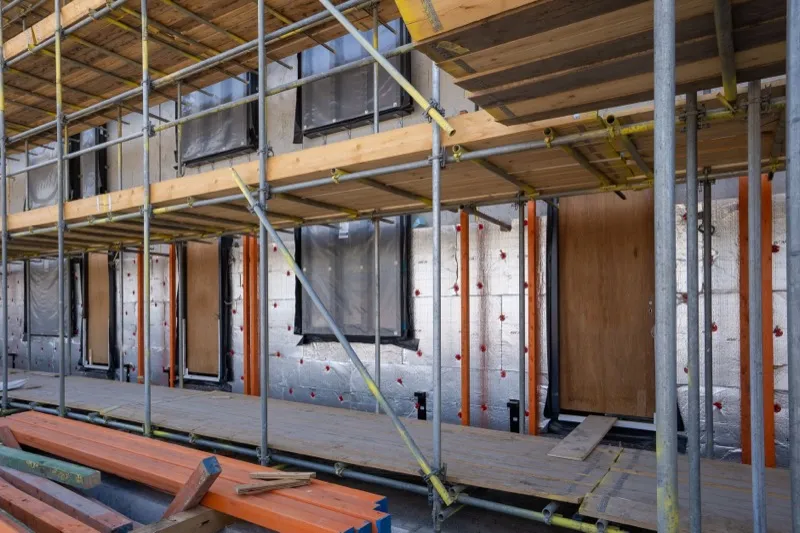
Construction contract disputes, WHRS claims and leaky-building litigation, with the 10-year longstop in mind.

Farm succession, boundaries and easements, water and consents — rural disputes across Central Otago and the South Island.
Insurance briefs, statutory liability and professional indemnity claims, WorkSafe and regulatory prosecutions, and coronial inquiries.

Personal grievances, disputes, restructuring and employment agreements, acting for both employers and employees.

Commercial mediation and alternative dispute resolution to resolve matters without the cost of a full trial.
Common Questions
A few civil & commercial law-specific answers. See the full FAQ →
Tell us briefly about your matter and we'll direct your enquiry to the right barrister at Whakatipu Chambers.